2. Принципы традиционного MEMC
Вы можете столкнуться с такими конфигурациями, как:
·Стекло 6 мм+смола 2,5 мм+светодиод 4 мм (полноцветный)
·Стекло 6 мм+смола 1,5 мм+светодиод 4 мм (одноцветный)
На первый взгляд это может показаться техническим, но на самом деле все довольно просто:
·Стекло толщиной 6 мм → обеспечивает прочность и безопасность конструкции
·Слой смолы (1,5—2,5 мм) * → защищает и стабилизирует светодиодную систему
·Слой светодиода (~4 мм) * → определяет яркость, четкость и прозрачность
👉 Вкратце: эти цифры отражают баланс между конструкционной безопасностью, визуальными характеристиками и надежностью системы.
03、🏗️ Установка: она не «установлена» — она сконструирована
Распространенное заблуждение:
«Светодиодное стекло можно добавить позже в качестве дисплея»
На самом деле:
👉 Устанавливается вместе с системой навесных стен
Это также означает:
·Необходимо зарезервировать место для технического обслуживания (≥80 см)
·Драйвер и проводка нуждаются в раннем планировании
·Планировка панелей должна соответствовать сегментации фасада
04、Ограничения дизайна (и почему они существуют)
Светодиодные экраны обычно крупномасштабный, со сверхвысоким разрешением и многоцелевой. Это делает производительность MEMC еще более важной:
· Эффект усиления: На больших экранах увеличены призраки и слезы.
· Разнообразные приложения: Реклама, спортивные трансляции, иммерсивные выставки, воспроизведение в кинотеатре.
· Требования к низкой задержке: На конференциях, XR или киберспорте технология MEMC, ускоренная искусственным интеллектом, обеспечивает бесперебойную работу без задержек.
AI MEMC позволяет светодиодным дисплеям поддерживать: ✔ Четкость: острые углы без ореолов ✔ Гладкость: естественное, реалистичное движение ✔ Аутентичность: сохраненные текстуры и кинематографическое ощущение
5. Когда светодиодное стекло действительно имеет смысл?
Это нужно не каждому проекту.
Он работает лучше всего, когда вам нужны и то, и другое:
✔ Прозрачность
✔ Коммуникация/цифровой контент
🚀 Последняя мысль
Светодиодное стекло — это не просто дисплей.
И дело не только в стекле.
👉 Здесь архитектура встречается со средствами массовой информации
Представьте, что вы используете светодиодное стекло для:
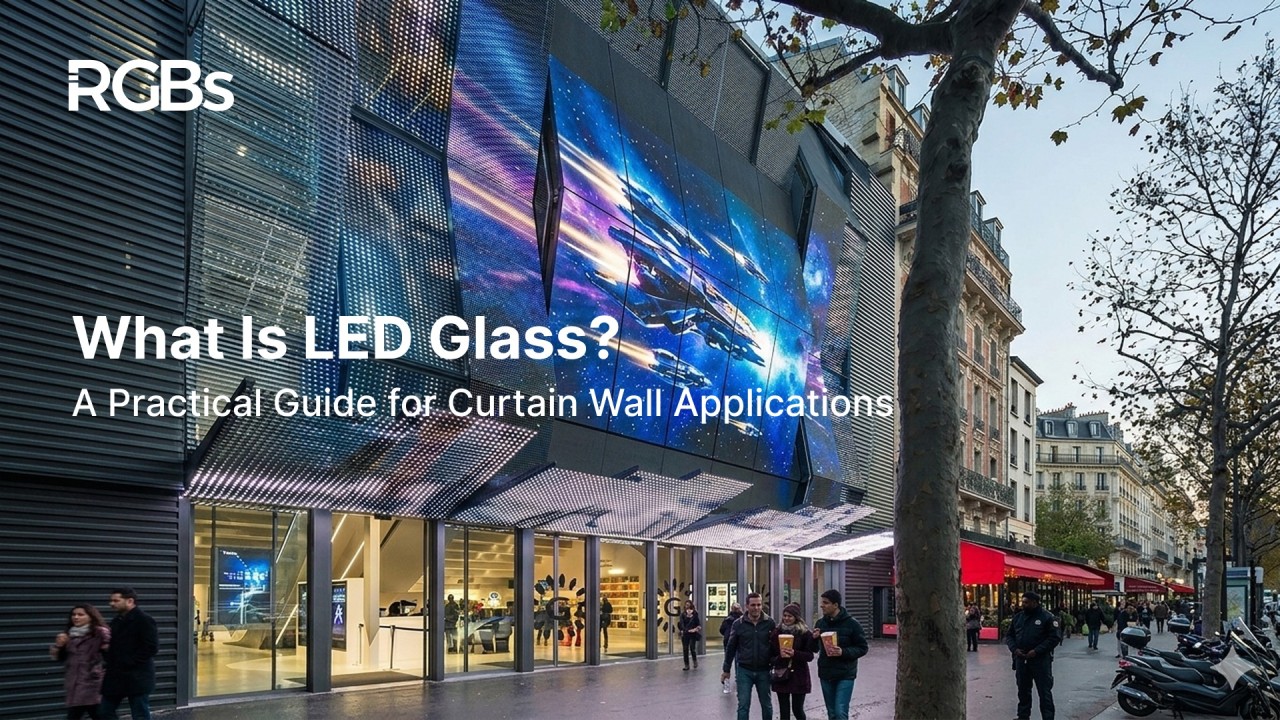
·Превратите коммерческий фасад в динамический цифровой рекламный щит
·Превратите выставочный зал в иммерсивный опыт работы с брендом
·Модернизируйте торговые витрины до интерактивные пространства для повествования
·Создавайте знаковые здания, которые общайтесь днем и ночью
Для разных сценариев могут потребоваться разные:
·Структуры
·Оптические характеристики
·Способы установки
👉 Другими словами:
Светодиодное стекло — это гибкая технология, обусловленная ее применением. Не каждому проекту нужно светодиодное стекло. Но правильное применение — оно меняет все.
💬 Хотите узнать, подходит ли оно вашему проекту? Давайте поговорим.


.svg)

